Underground Infrastructure Solutions: Excavation and Trenching Explained
Underground infrastructure is the backbone of modern urban development. From water supply systems to telecommunications, the need for effective excavation and trenching solutions is paramount. This blog post will explore the intricacies of excavation and trenching, highlighting their importance, methods, safety measures, and best practices.
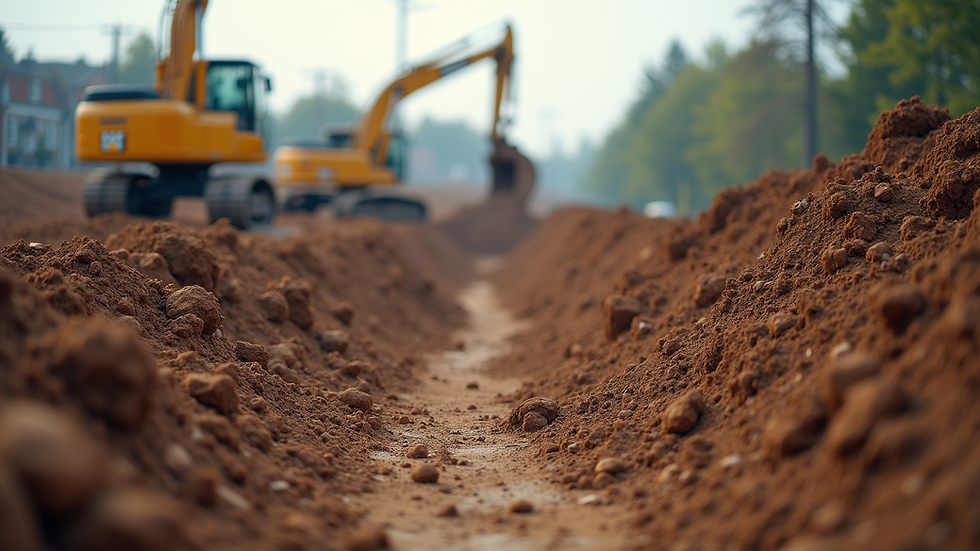
Understanding Excavation and Trenching
What is Excavation?
Excavation refers to the process of removing earth, rock, or other materials from a site to create a hole or cavity. This process is essential for various construction projects, including:
Foundations for buildings
Utility installations
Road construction
Landscaping
What is Trenching?
Trenching is a specific type of excavation that involves digging narrow, deep ditches. These trenches are typically used for:
Laying utility lines (water, gas, electricity)
Installing drainage systems
Creating foundations for structures
The Importance of Excavation and Trenching
Excavation and trenching are critical for several reasons:
Infrastructure Development: They enable the installation of essential services that support urban life.
Safety: Proper excavation ensures that structures are built on stable ground, reducing the risk of collapse.
Environmental Management: Excavation can help manage water flow and prevent flooding by creating drainage systems.
Methods of Excavation and Trenching
Manual Excavation
Manual excavation involves using hand tools like shovels and pickaxes. This method is labor-intensive and typically used for small projects or in areas where machinery cannot operate.
Mechanical Excavation
Mechanical excavation employs heavy machinery such as excavators, backhoes, and bulldozers. This method is faster and more efficient for larger projects. Key types of mechanical excavation include:
Hydraulic Excavators: Versatile machines used for digging, lifting, and moving materials.
Backhoes: Ideal for digging trenches and moving soil.
Bulldozers: Used for pushing large quantities of soil and debris.
Trenching Techniques
Trenching can be performed using various methods, including:
Open-Cut Trenching: The most common method, where a trench is dug directly into the ground.
Directional Drilling: A trenchless method that allows for the installation of utilities without disturbing the surface.
Shoring: A technique used to support trench walls and prevent collapses.
Safety Measures in Excavation and Trenching
Safety is paramount in excavation and trenching projects. Here are essential safety measures to consider:
Training and Certification
All workers involved in excavation and trenching should undergo proper training and certification. This ensures they are aware of safety protocols and best practices.
Site Assessment
Before starting any excavation work, conduct a thorough site assessment to identify potential hazards, such as:
Underground utilities
Soil stability
Weather conditions
Protective Equipment
Workers should wear appropriate personal protective equipment (PPE), including:
Hard hats
Steel-toed boots
High-visibility vests
Safety goggles
Trench Safety Systems
Implement trench safety systems to prevent collapses. These may include:
Shoring: Installing supports to prevent trench walls from caving in.
Sloping: Cutting back trench walls at an angle to reduce the risk of collapse.
Shielding: Using trench boxes to protect workers in the trench.
Best Practices for Excavation and Trenching
Planning and Design
Effective planning is crucial for successful excavation and trenching projects. Consider the following:
Project Scope: Clearly define the project's objectives and requirements.
Timeline: Establish a realistic timeline for completion.
Budget: Prepare a detailed budget that includes all costs associated with excavation and trenching.
Environmental Considerations
Be mindful of environmental impacts during excavation and trenching. Implement measures to minimize disruption, such as:
Erosion Control: Use silt fences and sediment basins to prevent soil erosion.
Wildlife Protection: Assess the site for wildlife habitats and take steps to protect them.
Communication
Maintain open lines of communication among all team members. Regular meetings can help address concerns and ensure everyone is on the same page.
Quality Control
Implement quality control measures to ensure that excavation and trenching work meets industry standards. This may involve:
Regular inspections
Documentation of work performed
Compliance with local regulations
Conclusion
Excavation and trenching are vital components of underground infrastructure solutions. By understanding the methods, safety measures, and best practices involved, construction professionals can ensure successful project outcomes. As urban areas continue to grow, the demand for effective excavation and trenching solutions will only increase. By prioritizing safety and quality, we can build a stronger foundation for the future.
Take the next step in your excavation and trenching projects by investing in proper training, equipment, and planning. Your commitment to safety and quality will pave the way for successful infrastructure development.
Comments